What is a Blockchain?
Guide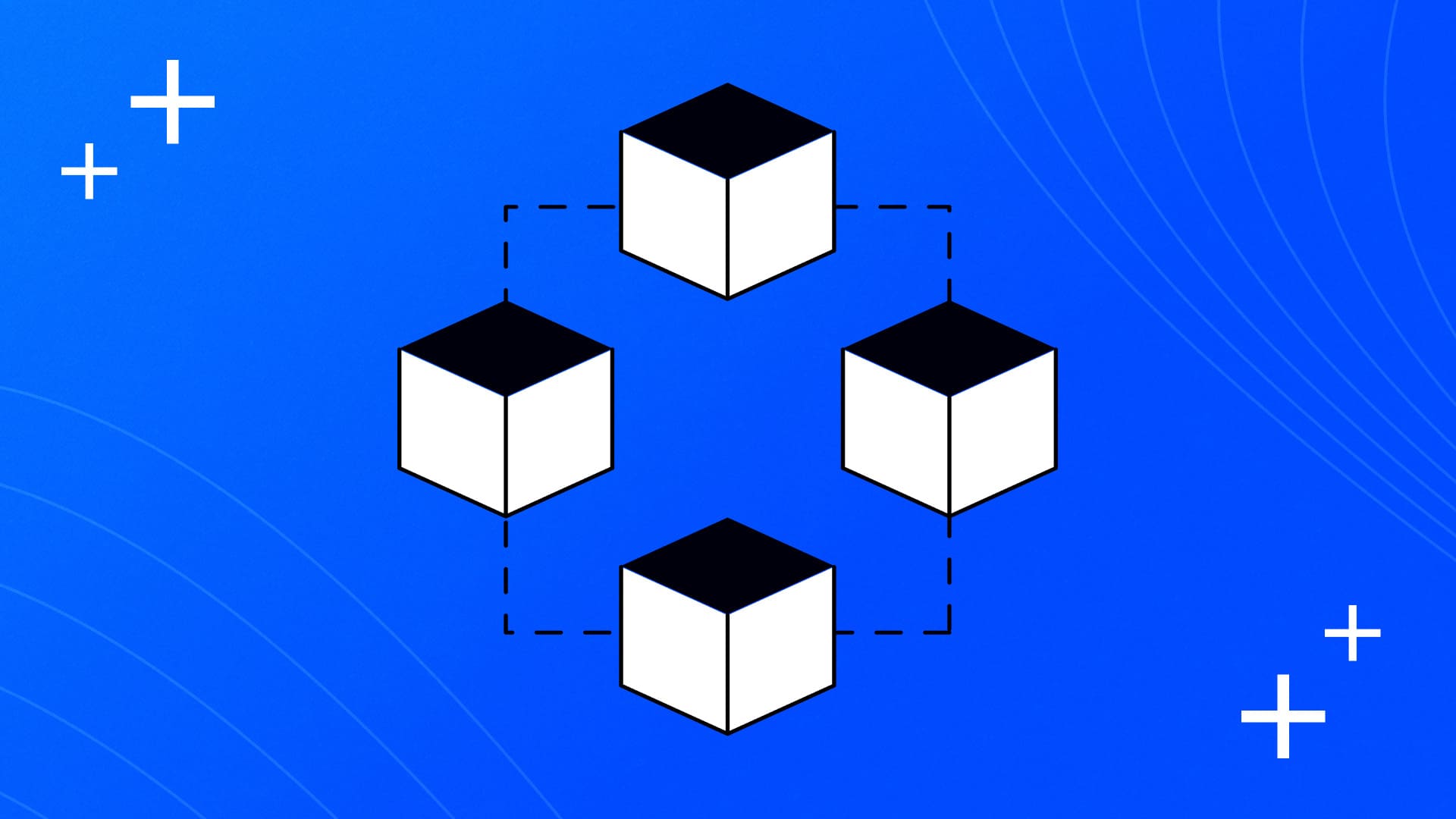
The blockchain is the foundational technology behind cryptocurrencies like Bitcoin and Ethereum. At its core, a blockchain is a publicly accessible ledger that records transactions in a way that anyone can view and verify. For example, the Bitcoin blockchain keeps a history of every transaction ever made with bitcoin.
This technology allows for value to be exchanged digitally without the need for traditional intermediaries such as banks or payment providers. Imagine a financial system accessible to anyone with a smartphone and internet connection—blockchain makes that possible.
Why Is Blockchain Important?
Because it keeps a secure, decentralized record of all transactions, blockchain makes it possible for people to transact directly with each other without knowing or trusting one another. And beyond finance, the technology is being applied in areas like medical research, logistics, identity verification, and data integrity.
Advantages of Blockchain
- Global Reach: Transactions can be made across borders without delay.
- Transparency: All transactions are publicly recorded, leaving no room for manipulation or hidden changes.
- Open Source: The software powering most blockchains is open-source and freely available for anyone to review.
Common Questions
What makes blockchain better than the traditional financial system?
Today, most of your financial activities—shopping, investing, or paying bills—require an intermediary. Blockchain removes this middle layer, reducing costs and complexity.
Is Bitcoin the same as a blockchain?
No. Bitcoin is a digital currency. Blockchain is the underlying technology that enables it to work.
Are there different kinds of blockchains?
Yes, there are thousands. Some are built for cryptocurrencies like Bitcoin and Tezos, while others serve entirely different purposes in various industries.
Challenges of Blockchain
- Energy Use: Proof-of-work blockchains like Bitcoin consume large amounts of energy, which has environmental implications.
- Scalability: As blockchains grow, they can slow down and become expensive to use.
- Regulatory Uncertainty: Legal frameworks around blockchain and crypto are still developing, which adds risk.
How Does Blockchain Work?
Think of a chain where each link contains data about a set of transactions. The newest data is added to the top, and older records stretch back down to the beginning. This structure ensures that altering one block would disrupt the entire chain and be immediately noticeable to everyone on the network.
Blockchain is also known as a distributed ledger. It functions much like a bank's balance sheet but isn’t controlled by any single institution. Instead, it’s maintained by a global network of computers working together through open-source software.
Where Do New Cryptocurrencies Come From?
In networks like Bitcoin, every ten minutes a new block of transaction data is verified and added to the chain. Those who contribute computing power to this process—known as miners—receive a small reward in the form of cryptocurrency.
Since the blockchain is decentralized, no single entity governs it. Anyone with the necessary tools can participate in maintaining the network’s accuracy and security.
How to Use Blockchain to Send and Receive Money
Each user is assigned a unique address made up of a public key and a private key. The public key functions like an email address—it’s what people use to send you funds. The private key is like a password that lets you approve transactions. Wallet software, available via exchanges like Coinbase, helps you manage these keys securely.
Who Created Blockchain?
The idea of blockchain was first introduced by an individual or group under the name Satoshi Nakamoto in a 2008 whitepaper that described Bitcoin. Nakamoto's goal was to create digital money that didn’t require a middleman for online transactions.
To solve the problem of "double spending"—using the same money twice—Nakamoto introduced the idea of a constantly updated and verified network of computers: the blockchain.
The Role of Miners
All Bitcoin transactions are validated and stored by a decentralized network of computers, independent of any organization or government. New bitcoins are generated through mining, where computing power is used to process and confirm transactions. Every transaction becomes part of a "block," which is permanently added to the blockchain.
The Future of Blockchain
Blockchain’s potential extends far beyond cryptocurrencies. Many experts believe that it could become as revolutionary as the internet itself. Ethereum, for instance, builds on blockchain by enabling developers to create decentralized applications and smart contracts.
Imagine automating donations to thousands of recipients using just a few lines of code, or designing game items that exist independently of the game itself. These are just a few of the possibilities that blockchain platforms like Ethereum are making a reality.